Profitable automation: extreme flexibility in case packing for Kompak
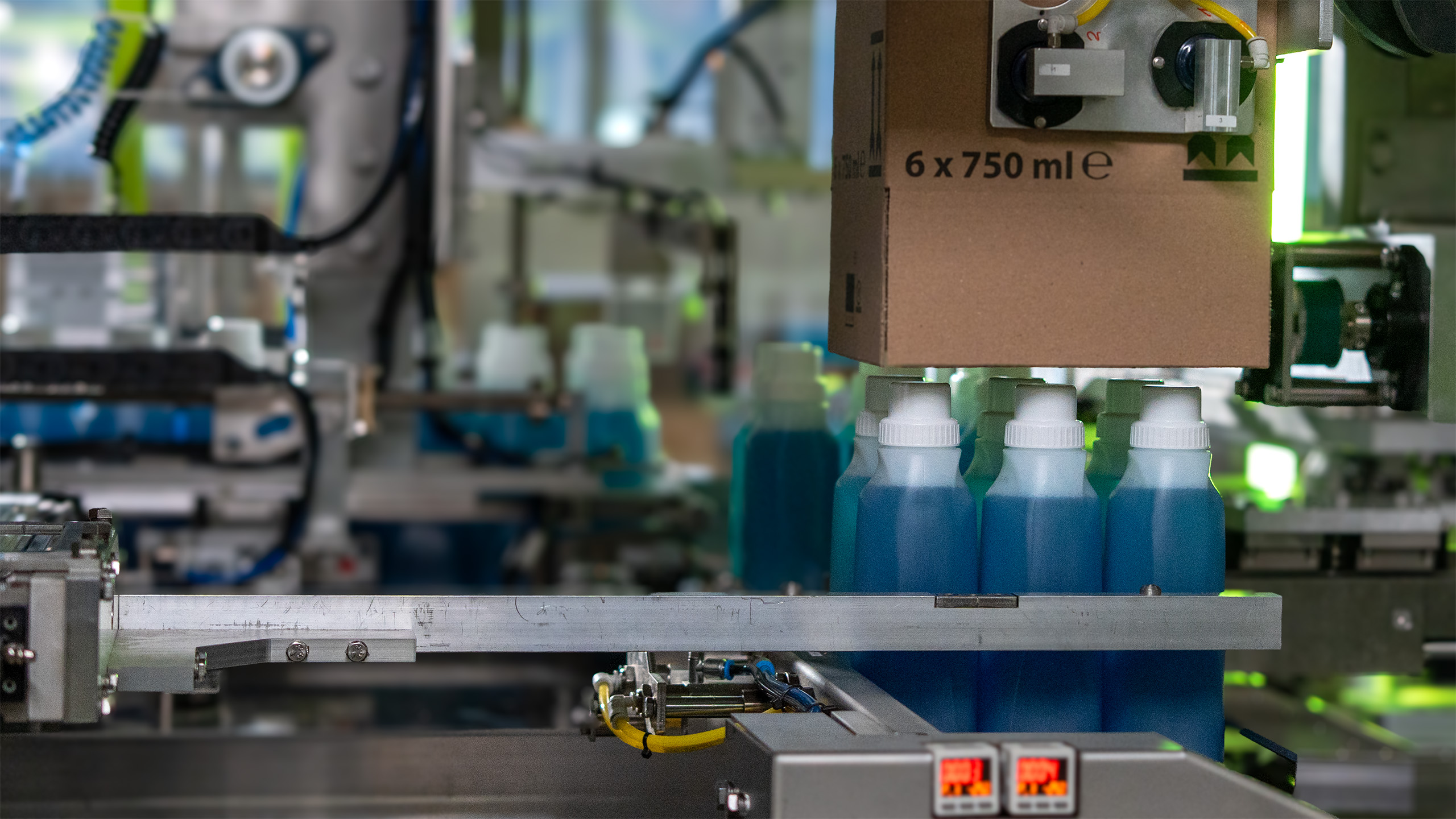
As a co-manufacturer, Kompak was looking for a flexible solution for their various product lines. TechnikKels's innovative case packer proved to be the breakthrough. Thanks to the unique packaging principle and drastically reduced conversion costs, automation is now extremely cost-effective, even for a wide range of bottle sizes and short runs.


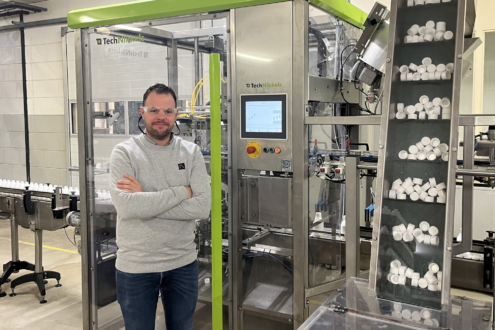
For example, Kompak automated the packaging work thanks to Technikkels' innovative case packer.
As a co-manufacturer, Kompak produces and packages dozens of liquids, powders and tablets in various sizes and types of packaging. This diversity sometimes makes it difficult to automate.
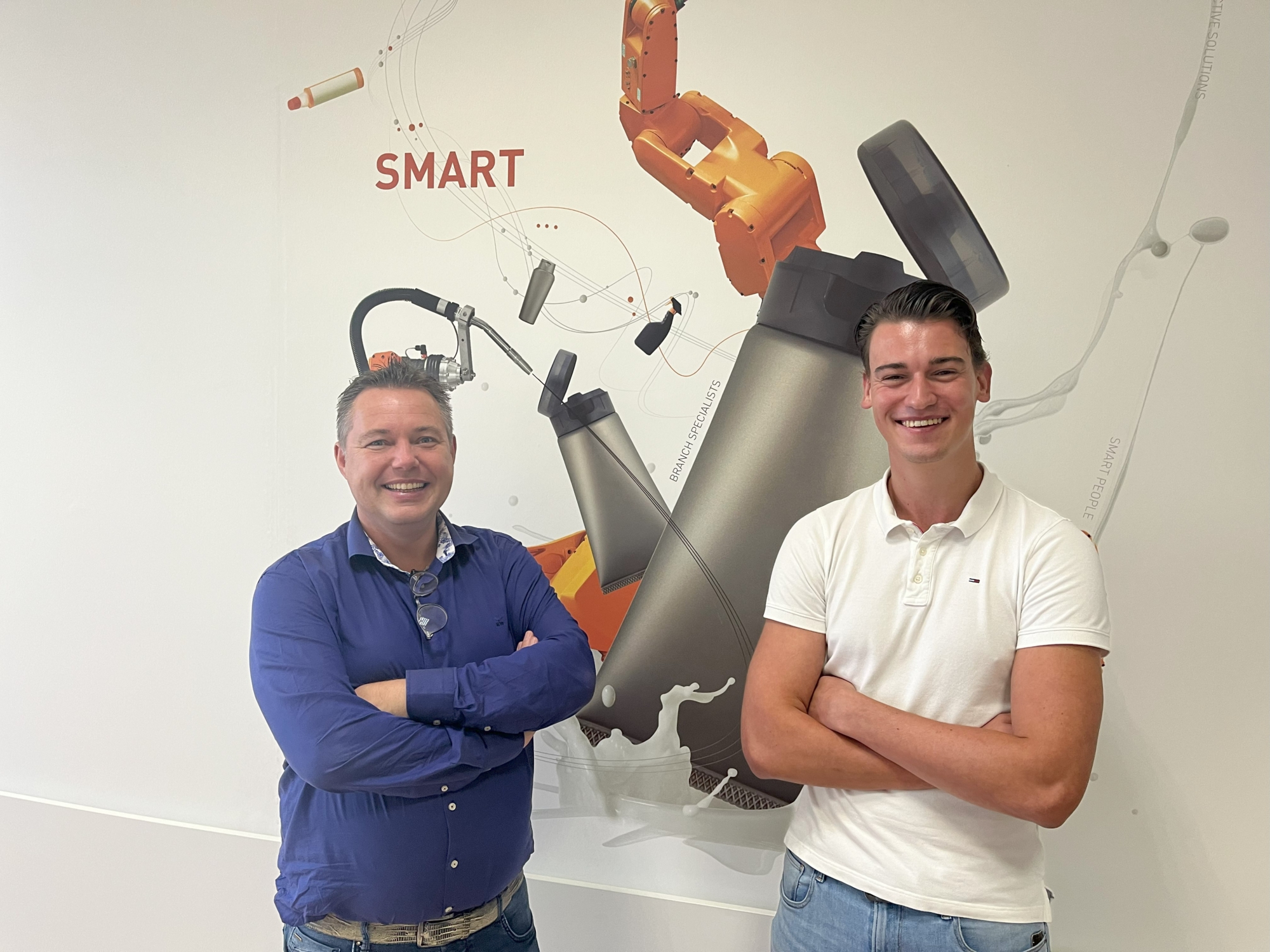
Geert Buijsman, general manager at Kompak, explains: “We work for many brand manufacturers. They have their own factories for the large volumes, but outsource the new products or special editions to us. So we need to be able to implement new projects at as little cost as possible. That's why the conversion costs for a machine are very important.”
But when Geert saw the TechNikkelS case packer at a stock exchange, he knew it right away: “I need it”.
Geert: “I saw the case packer at the Empack in Gorinchem and I was really impressed by the principle. I immediately called our engineering department and set the specifications. After half an hour, the deal was closed.”
Due to the large amount of different packaging that Kompak processes on one line, it was not profitable to automate the work with the standard case packers.
Geert: “It was difficult to find a packaging solution that could cover that entire range of products. And the conversions are often so expensive that it's not interesting to run twenty formats in a row.”
Unique case packer
Geert: “For us, the main reason for buying that TechnikKkels case packer was the flexibility it has. And the low costs we incur to develop a new concept. We have an enormous diversity of different packaging on this line. From very small bottles to very large ones, a range of 60 milliliters to 5 liters. But also very different patterns and flipped bottles.”
There are few case packers on the market that can process all that. Geert: “The unique thing about this case packer is that it puts the box over the bottles, instead of the bottles in the box. For American folding boxes, TechnikKkels is the first to do so.”
Cost-effective
This innovation makes automation profitable. Geert: “The gripper that is needed to put a certain bottle in the box is often an expensive conversion. And you don't need that with the TechnikKkels case packer. If you have a lot of diversity on your lines, this is the solution. With other machines, it can easily cost €20,000 to run a different size, just on conversion parts. That is really no exception. But this only costs €1,000 or €1,500 in conversions, maximum.”
Geert was already familiar with Technikkels when he invested in the case packer. “We were already a TechnikKels customer for the bottle setters. So we knew the service was good. And they are innovative. It's fun working with companies like that. They don't always come up with the standard solution, but with new ideas.”
Always someone available
As an engineer, Tim Rasenberg was responsible for the implementation of the new case packer and can confirm that. Tim: “They could have already learned most of the products from TechnikKels, there were only a few more products that we had to do here at Kompak. But that actually all went well. And someone from TechNikkelS is always available when needed. If there is a problem, I'll send a video. In fact, they always respond within 10 minutes and then they immediately say 'try this'. It often works immediately. And if it's not enough, a technician will be on our doorstep within 3 or 4 hours to solve the problem.”
Payback period of 1.5 years
Geert: “Labour is scarce, so we want to make the best possible use of our people. We also automate because we want to give people work that is varied enough and where they can be deployed sustainably. Packing is repetitive work, which is unhealthy in the long run. So it's not possible to just let someone pack for days.”
But it is also interesting from a cost point of view. Geert: “With this case packer, the payback period is approximately 1.5 years. These are payback periods that we can work with.”
Automation for sustainability
Geert: “We have a mission at Kompak: clear conscience, clean future. We want to do well, we think that's very important. So we are working on ESG, on sustainability in the broadest sense. That also includes automation.”
“And it's really busy right now. We see many innovations in the market, which means that we have many new projects. It's an exciting time with all the new introductions. So we are always looking for new ways to pick things up more efficiently. We are looking at what the options are to further automate. We do this step by step: business case by business case. ”