Automation while maintaining maximum flexibility at Helichem
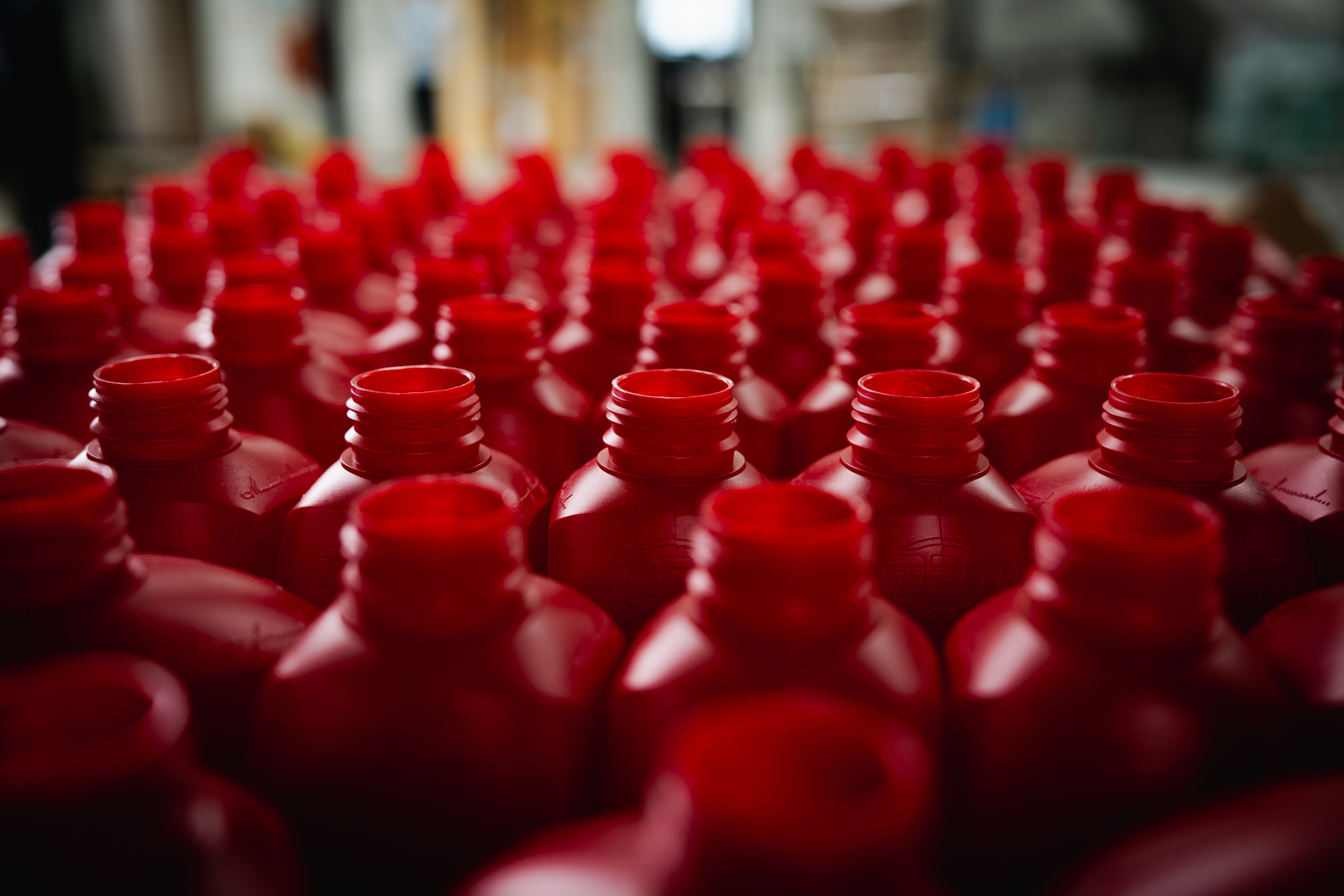
Helichem automates the production of various cleaning agents with TechnikKels. The challenge: processing hundreds of recipes and twenty packaging formats on one line. The solution consists of innovative sealing machines that combine fast, guided changeover times with high chemical resistance, increasing production capacity without sacrificing versatility.


Flexible automation with TechnikKels's innovative sealing machines
Helichem produces hundreds of different cleaning products for both the consumer market and the industry. For the Limburg company, 2024 is a year of significant growth and further automation.
Rocher Lamers, operations manager at Helichem says: “We are in a market that is changing, but also one where staff is scarce. So the process will have to be automated. But we don't want to lose sight of the flexibility with which we grew up. Helichem produces small but also large volumes. There are 20 different packages across the same line. That makes automation challenging.”
Investing in flexibility
This flexibility is an important part of Helichem's success. But it also comes with challenges. Both in the operation and when expanding capacity. Rocher: “It may just be that we change several times a day. That does not make buying new machines easier. So we are looking for machines that fit that. We buy flexibility, as it were. With some more expensive machines, you close more bottles per hour, but you are much less flexible. Then that flexibility costs a lot more money.”
Making it as easy as possible
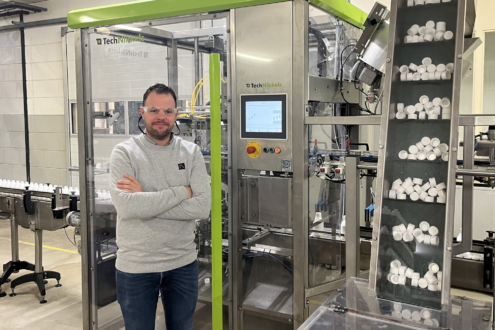
For example, Helichem came to TechnikKels for their sealing machines a few years ago. Rocher: “They are strong in machines that can handle many variables. Often changing takes time and requires a lot from the operators. And one operator is not like the other, so we want to make it as easy as possible. The way in which the Technikkels PLC gives instructions when changing makes it a lot easier. The operator is guided through the entire conversion process.”
This flexibility in terms of formats does not come at the expense of predictability in production. Rocher: “What I like as a manager is that the machine runs the same every day. The recipe is built into it. If I close 50 of a certain bottle per minute, I'll drink that every day.”
Good material
In production, it is important that the staff gets good material to work with. Rocher: “That's one of the keys to success in your workplace. When there is a machine that fails every 2 minutes, it annoys the employees. Everyone complains about it and in no time, that machine means nothing to people's experience. But it's also true the other way around. When a machine is delivered properly, everyone immediately shouts 'this one is great'.”
The machines must therefore run properly right away. But good support is also important. Rocher: “If it doesn't work, it makes a big difference if someone comes right away and fixes it quickly. TechniKkels does that very well. They switch very quickly and think along with them. For us as a production company, this is very important. What if there is an emergency in the machine, that means that the staff is at a standstill. You can't just shift production to another line. TechNikkels helps us enormously with that. They are always on standby and have an immediate answer 9 times out of 10. This means that TechnikKkels is again the preferred choice for new machines.”
Resolving power
Producing special cleaners sometimes presents additional challenges. The machines must be resistant to the processing of chlorine and other chemical ingredients. Rocher: “Together with TechNikkels, we are now analysing what we can do to extend the life of some parts. For example, we analysed a link in the conveyor chain by placing it in the liquid in our own lab and seeing how the material reacts to the liquid. They are really a sparring partner in that.”
Helichem and TechnikKels also work closely together on other improvements in the factory. Rocher: “The biggest difference between TechNikkelS is the ability to solve problems. They are always willing to contribute ideas. Together, we also came up with a new setup for the transition from the filling machine to the shutter. As a result, that line will become even faster. That helps us, but it also makes TechNikkelS smarter.”
OEE monitoring
There is also close cooperation in the software field and new solutions are being developed. Rocher: “TechNikkelS is currently developing an OEE monitor. This allows you to measure the productivity of the machine. If you can theoretically fill 1000 bottles and you also reach 1000, you have a 100% OEE score. The monitor shows where the problem is if you don't make it. If you don't get bottles, he immediately says: “bottle entry”. So you'll see it quickly if you have the same failure more often. And it has been validated. This prevents an operator, with all good intentions, from exacerbating the problem with the wrong solution. That monitor is starting to take shape more and more and it's nice that you, as a customer, can think about that.”